

It seems silly. But for many of my clients, the do-nothing exercise is actually one of the hardest tasks. We are used to controlling everything: the route, the stops, the waiting, the eye contact. The dog is always expected to be busy.
Why doing nothing is so hard
For many of us, a walk feels like a training session or a to-do list. When the dog isn’t doing anything, it feels like wasted time. And many dogs have learned the same: on a walk, something always happens – a task, a treat, a game.
The result is a dog that finds it hard to switch off, even when nothing is going on.
Why rest is a vital skill
Learning to be bored and simply rest is a vital skill. A dog’s brain, like a child’s, needs breaks after cognitive load. Sniffing, new places, people and other dogs – all of this is work for the brain.
In a pause, the brain can switch off and process what it has experienced. The dog observes the world: listens, sniffs the air, watches people go by. And of course, it needs to sleep a lot – sleep is when the brain recovers.
How to practise it on your walk
- Let your dog sniff and search first. Play some search games before the rest period to burn off energy – for example, scatter a few treats in the grass.
- Stop. Find a quiet spot, sit on a bench and read a book. Don’t give commands and don’t entertain your dog.
- Wait out the first minutes. At first your dog might fuss or bark. That’s normal: they are used to something always happening.
- Start small. A few minutes are enough at the beginning.
- Gradually increase the quiet time from walk to walk.
What changes
A dog that can rest copes better with everyday life: on a bench, in a café, at home. Gradually increase the quiet time, and you’ll see how your life changes.
Got a puppy and want to practise this together? Puppy training in Munich →
Want to work on this with your dog? Dog training in Munich for adult dogs →
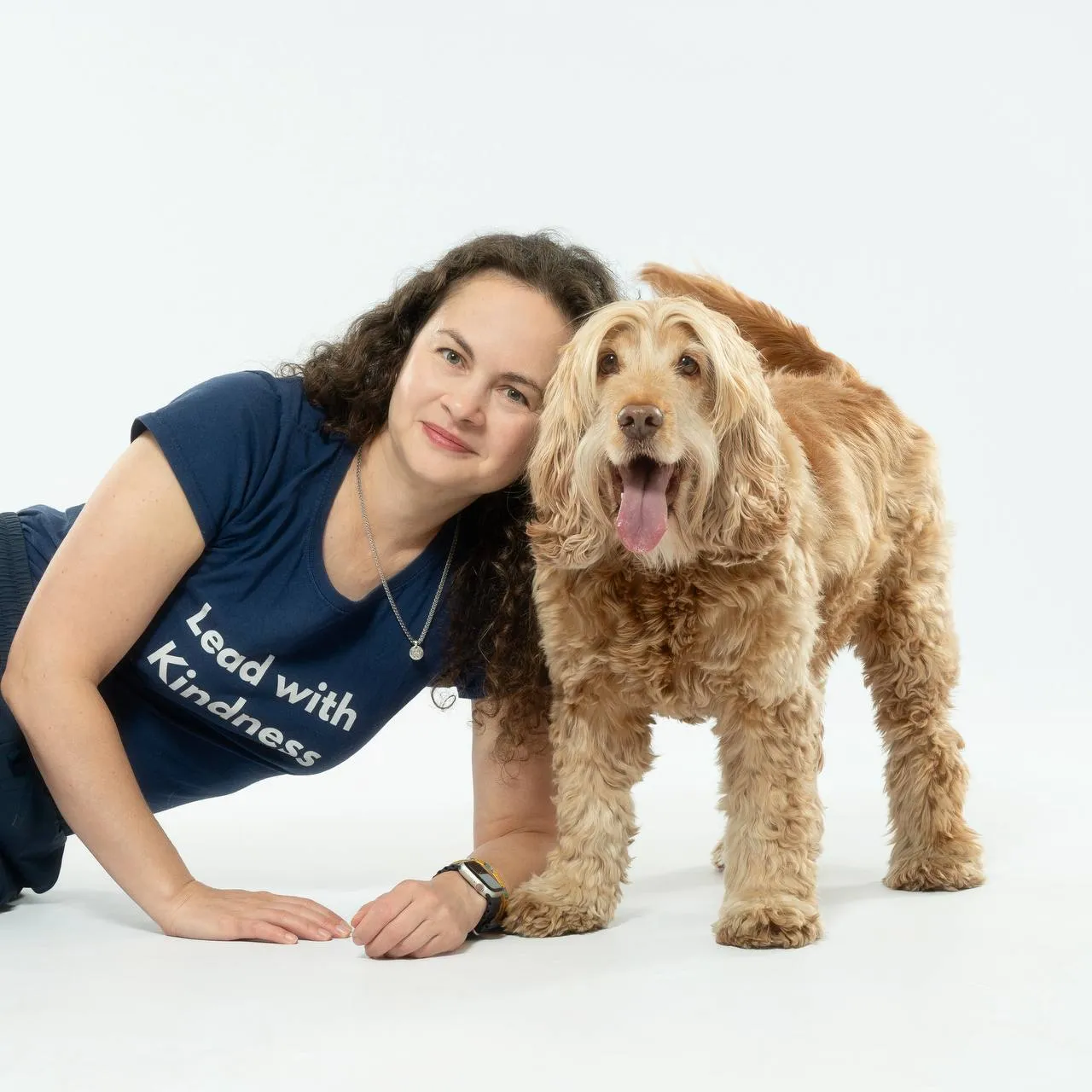
Certified dog trainer in Munich and PDTE country representative for Germany. I train force-free and help people understand their dogs.
About me →